
Slab Leaks in Tallahassee: Why Florida Foundations Make Hidden Leaks So Common
If you own a home in Tallahassee, you probably don’t think much about what’s happening underneath your floors. The plumbing is out of sight, so it’s usually out of mind—until something goes wrong.
Across Florida, including right here in Tallahassee, slab leaks are one of the most expensive and disruptive plumbing problems a homeowner can face. The good news: with the right information and the right help, you can catch under-slab plumbing leaks early, limit damage, and avoid unnecessary demolition.
In this guide, we’ll break down:
- Why so many Florida homes are vulnerable to slab leaks
- How slab leaks actually form under your concrete foundation
- Early warning signs Tallahassee homeowners should never ignore
- How professional foundation leak detection in Florida really works
- Why fast response can save you from major structural damage and mold
What Is a Slab Leak?
Most Florida homes, including a huge number of homes in Tallahassee and Leon County, are built on concrete slab foundations. Instead of having a basement or a raised crawl space, your house sits directly on a thick concrete pad.
In many of these homes:
- Pressurized water supply lines run under the slab to feed bathrooms, kitchens, and laundry rooms
- Drain and sewer lines may also travel under the slab or just outside the foundation
A slab leak happens when one of these pipes cracks, corrodes, or disconnects below the concrete. Because the leak is hidden, water can run for weeks or months before it’s obvious. By that time, you may be dealing with:
- Soaked soil and erosion under the foundation
- Cracks in the slab or flooring
- Mold growth inside walls and under flooring
- Higher water bills and wasted water
You can read more about it on our Slab Leak Tallahassee blog post.
Why Slab Leaks Are Common in Tallahassee
There are three big reasons slab leaks are such a problem in our area: construction style, soil, and climate.
1. Slab-on-grade construction
Florida has a high water table and relatively mild winters, so basements are rare. Slab-on-grade construction is fast and cost-effective, which is why it has been the dominant style for decades.
The trade-off: any plumbing that runs under the slab is encased in concrete and surrounded by soil, making it much harder to access and repair if something goes wrong.
2. Sandy / karst soils and movement
Tallahassee sits in a region with a mix of sandy soils, red clay, and karst geology (limestone beneath the surface). Over time, those conditions can:
- Wash out fine soils around the foundation
- Create small voids or pockets
- Allow the slab to shift or settle
Even tiny movements can stress rigid pipes, especially older copper and cast iron lines, eventually causing under-slab plumbing leaks.
3. Heat, moisture, and corrosion
Florida’s climate is both warm and humid. That’s tough on plumbing:
- Warm water and soil can accelerate corrosion
- Constant moisture around the slab contributes to external pipe rust and degradation
- Thermal expansion and contraction as hot water lines cycle on and off can rub pipes against concrete or rebar
All of this adds up to a higher risk that pipes under your Tallahassee home will eventually develop leaks if they aren’t properly protected.
How Slab Leaks Form: The Four Main Culprits
Not all slab leaks form the same way, but most fall into one (or more) of these categories.
1. Corrosion
Over time, metal pipes (especially older copper or galvanized steel) can corrode from:
- Water chemistry (pH, minerals, disinfectants)
- Electrical grounding and stray currents
- Constant contact with damp concrete and soil
Corrosion can weaken the pipe wall until pinhole leaks or full cracks appear. Once pressurized water starts escaping under the slab, the leak will gradually worsen.
2. Soil movement and settlement
Shifts in Tallahassee’s soils—from natural settlement, erosion, or changes in moisture—can bend or stress pipes. Rigid pipes don’t like being flexed:
- Joints can loosen
- Fittings can crack
- Straight runs can develop stress fractures
Even minor movement over many years can eventually break a buried pipe and create a slab leak.
3. Thermal expansion
Hot water lines constantly expand and contract as they heat up and cool down. If those pipes are surrounded by concrete with little room to move, they can rub against rough surfaces or become stressed at fittings and bends.
Over time, this constant motion can wear down the pipe and cause leaks—especially at elbows, transitions, or spots where the pipe contacts rebar or the slab itself.
4. Abrasion and poor installation
Sometimes the problem starts on day one:
- Pipes laid directly on rough concrete or rock without proper sleeving
- Tight bends or poorly supported runs that move with pressure changes
- Rebar or other metal rubbing slowly against the pipe
Even if the issue takes decades to show up, the result is the same: water escaping under your home.
Early Warning Signs of a Slab Leak in Tallahassee
Because slab leaks are hidden, early signs are often subtle. Catching them early is where you can save thousands in repairs.
Watch for these red flags:
1. Unexplained water bill spikes
If your usage hasn’t changed but your bill suddenly jumps, you might have a hidden leak. A simple meter test (with all fixtures off) can sometimes confirm continuous water loss.
2. Warm or damp spots on the floor
A hot water slab leak may create a warm area on tile or concrete flooring. You may notice:
- A small area that always feels warmer under bare feet
- Dampness in a specific spot without any obvious spill
3. Sounds of running water
If you hear water running when all fixtures are off, or you hear a faint hiss or trickle near walls or floors, it could be water escaping under the slab.
4. Cracked tile, separating baseboards, or uneven floors
As soil washes away or swells from constant moisture, it can cause:
- Hairline cracks in tile or grout
- Gaps where baseboards pull away from walls
- Parts of the floor that feel spongy or slightly uneven
These signs don’t prove a slab leak, but they’re a reason to investigate.
5. Musty odors and mold
Persistent dampness under floor coverings or inside wall cavities can create:
- Musty smells
- Dark spots on baseboards or lower walls
- Visible mold growth
In Tallahassee’s humid environment, mold can grow very quickly when a leak feeds it from below.
If you notice two or more of these symptoms together, it’s time to think seriously about foundation leak detection in Florida—before damage escalates.
How Professional Slab Leak Detection Works
Homeowners often assume that checking for slab leaks means jackhammering blindly into the floor. Modern leak detection is the opposite: it’s about finding leaks precisely so that any repair is as small and focused as possible.
Here’s how a professional leak detection company approaches slab leak Tallahassee calls.
Step 1: Interview and basic tests
A good technician starts with questions and simple observations:
- How long have you noticed the problem?
- When did the water bill spike?
- Where are the warm/damp spots?
They’ll perform:
- A meter test to confirm continuous water loss
- Pressure tests on different sections of the plumbing
This narrows down whether the leak is on the hot or cold side, and whether it’s inside the house, in the yard, or under the slab.
Step 2: Acoustic leak detection
Pressurized leaks make sound as water escapes. Technicians use sensitive listening devices and ground microphones to:
- Listen through the slab
- Follow the sound to its loudest point
Acoustic detection is especially helpful for pinpointing small leaks without opening floors.
Step 3: Infrared (thermal) imaging
With infrared cameras, a leak detection specialist can visualize temperature differences in flooring and walls:
- Hot water leaks show up as warm zones or “heat trails”
- Cold-water leaks may create cooler zones where evaporation is happening
Infrared doesn’t “see through” concrete, but it reveals patterns of heat and moisture that guide the technician to the leak source.
Step 4: Tracer gas or dye testing (when needed)
In stubborn cases, specialists may use:
- Tracer gas (a safe, odorized gas) that’s introduced into the plumbing line; they then use sensors to detect where it escapes
- Dye tests to track water paths in drains or suspected seepage areas
These methods help confirm the exact location of under-slab plumbing leaks before any demolition happens.
Step 5: Pinpoint and plan repair
Once the leak is located, the technician can give you and your plumber a clear repair plan:
- A small, targeted opening in the slab
- Rerouting the line overhead instead of opening the slab at all
- Coordinating with your contractor or plumber for full pipe replacement if the system is failing in multiple places
The key is that leak detection keeps guesswork to an absolute minimum.
Why Fast Slab Leak Detection Matters
Ignoring a slab leak rarely ends well. Water always finds a path, and under your home that path often leads to structural damage and mold.
Structural damage and erosion
A long-running slab leak can:
- Wash away supporting soil under your foundation
- Create voids or pockets that allow the slab to settle or crack
- Lead to uneven floors, sticking doors, or visible foundation movement
Repairing structural damage is far more expensive than fixing a leak early.
Mold and indoor air quality
Tallahassee’s humidity means wet building materials dry slowly. When a slab leak keeps feeding moisture into flooring and walls, mold can become a serious problem:
- Musty odors
- Visible growth on walls, floors, or baseboards
- Potential respiratory and allergy issues for the people living in the home
Stopping the water source is the first and most important step in any mold remediation effort.
Insurance and cost control
When a slab leak is involved, many homeowners’ insurance policies may cover access and damages but not always the plumbing repair itself. Precise documentation from a professional leak detection company can:
- Show exactly where and how the leak occurred
- Limit how much of the slab needs to be opened
- Help keep repair costs and disruption under control
Acting quickly protects both your home and your wallet.
When to Call a Slab Leak Specialist in Tallahassee
If you suspect a slab leak, don’t wait for standing water in the middle of your living room. Call a professional experienced in foundation leak detection in Florida when:
- Your water bill suddenly rises with no change in use
- You feel persistent warm or damp spots on your floors
- You hear water running but can’t find a source
- You see cracks, settling, or unexplained mold/musty odors
Specialized slab leak detection in Tallahassee uses acoustic listening, infrared imaging, and other advanced tools to find under-slab plumbing leaks with minimal disruption—so repairs can be targeted, efficient, and long-lasting.
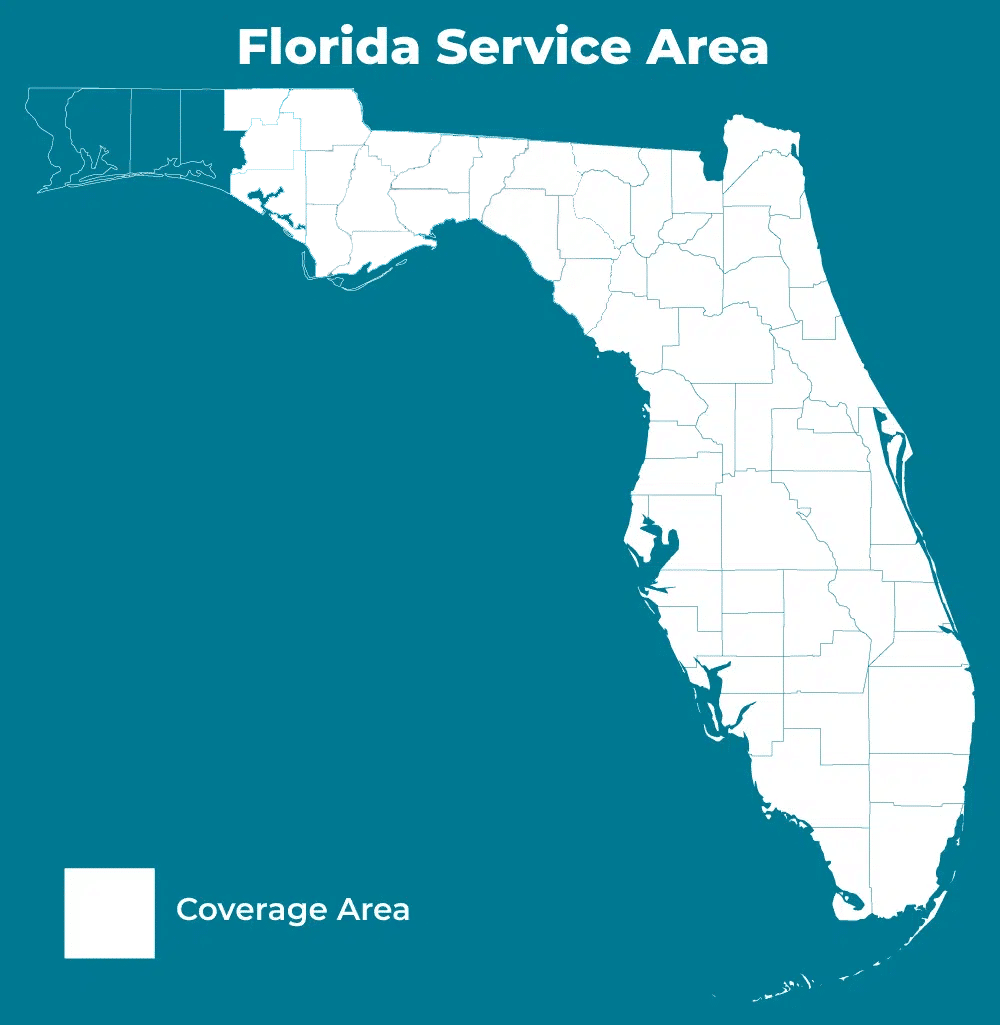
Our specialized team provides expert leak detection services in Tallahassee and Leon County
using non-invasive technology to pinpoint the problem without the need for arbitrary digging by combining decades of experience with advanced acoustics, we ensure your property remains protected while we provide you with a clear, actionable diagnostic report.
Protecting your home starts with knowing what’s happening beneath your feet. The sooner you investigate, the more options you have to fix the problem before it turns into a major structural and health issue.
Need Slab Leak Detection in Tallahassee? Sleuth Finds Leaks Without the Guesswork.
A hidden leak under your foundation doesn’t have to mean tearing up your floors. Sleuth Leak Detection specializes in non-invasive slab leak detection using advanced acoustic listening, infrared imaging, and pressure diagnostics to pinpoint leaks with precision.
Whether you’re seeing signs of a slab leak, noticing moisture around the foundation, or dealing with unexplained water bills, our team can identify the source quickly—so your plumber can repair it with minimal disruption.
Serving Tallahassee, Leon County, and the Florida Panhandle.